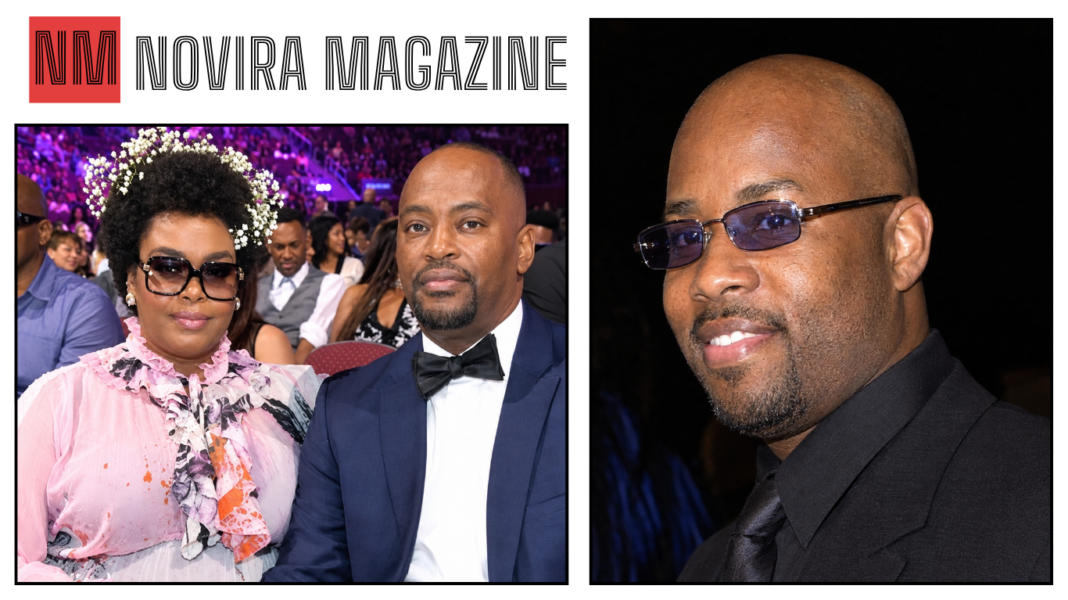
To fully understand who is Lyzel Williams, one must appreciate the quiet dedication of a creative mind who preferred working behind the scenes. Throughout the late nineties and early two thousands, his graphic design work helped shape the visual identity of several prominent musical projects. While mainstream audiences primarily associate his name with his high-profile marriage, his colleagues knew him as a focused professional with a sharp eye for layout, typography, and album packaging. His journey reflects the delicate balance between personal life, artistic expression, and the often overwhelming exposure that comes with being closely linked to an international superstar.
Introduction to Lyzel Williams
When asking who is Lyzel Williams, most people first discover his connection to multi-Grammy Award-winning singer, songwriter, and actress Jill Scott. During the peak of the neo-soul movement, Williams was not merely a companion standing in the shadows of fame; he was an active creative force working within the same cultural and artistic spaces. His background as a visual artist gave him a unique perspective on storytelling, allowing him to connect deeply with musicians, performers, and fellow designers who were redefining the sound and look of urban contemporary music at the turn of the century.
Although his marriage brought him unexpected media attention, Williams maintained his identity as a grounded visual creator. He spent years cultivating a personal aesthetic that bridged the gap between fine art, graphic communication, and music packaging. His story offers a compelling glimpse into the life of an artist who experienced the intense glare of public fame while attempting to keep his focus squarely on his creative work. By looking at his background, his major projects, and his lasting footprint, we gain a complete picture of a man whose legacy spans both visual design and musical history.
Early Life and Background
Born in 1972 in the United States, Lyzel Williams grew up during a dynamic era for American art, music, and urban culture. From an early age, he demonstrated a strong natural affinity for visual mediums, spending countless hours drawing, studying cover art, and experimenting with various artistic styles. His home environment and community exposed him to a wide array of musical influences, ranging from classic jazz and soul to the rising beats of early hip-hop. This blend of visual and auditory inspiration helped shape his creative instincts and guided his decision to pursue a career centered on artistic expression.
As he matured through his teenage years, Williams expanded his focus from traditional drawing toward modern visual design and music production. He began exploring the mechanics of audio creation, teaching himself how to DJ and mix records while simultaneously sharpening his eye for graphic layout. This dual interest in sight and sound allowed him to view art as a holistic experience. He recognized early on that a great record required more than just great music; it needed a compelling visual identity that could communicate its mood, message, and spirit to an audience before they even pressed play.
Education and Creative Roots
To formalize his talent and gain professional credentials, Lyzel Williams enrolled at a public university to study visual arts and graphic design. His time in higher education was marked by rigorous training in design theory, typography, color theory, and visual communication. College provided him with the structural foundation necessary to translate his raw artistic instincts into commercial, real-world applications. He learned how to handle design software, manage complex client briefs, and execute visual projects that could meet the high standards of the contemporary media and entertainment industries.
Beyond his formal coursework, Williams spent his university years building a versatile portfolio and networking with other aspiring creatives. He frequently collaborated with local musicians, poets, and event organizers, providing artwork, flyers, and branding materials for regional events. Working directly with performers taught him how to translate abstract musical concepts into clear visual themes. By the time he completed his studies, he possessed both the technical expertise and the real-world experience needed to establish himself as a respected graphic artist and independent creative contractor.
Professional Career as a Graphic Designer and Art Director
After completing his education, Williams embarked on a professional career as a freelance graphic designer and art director. He focused primarily on the music industry, an environment where his passion for visual design and audio culture could thrive together. His daily work involved designing CD covers, creating liner notes, developing promotional materials, and crafting brand identities for independent and major record labels. He quickly earned a reputation among his peers for his clean, thoughtful layouts and his ability to capture the authentic vibe of an album through subtle design elements.
Working as an art director required Williams to oversee complex visual projects from initial concept to final physical production. He routinely coordinated with photographers, printers, stylists, and music executives to ensure that every visual aspect aligned with the artist’s overarching vision. His disciplined approach to graphic layout allowed him to build a steady client base during a period when physical music packaging was considered an essential component of an album’s success. Through hard work and artistic consistency, he carved out a successful career as a reliable and insightful visual professional.
Major Music and Visual Design Credits
Over the course of his professional career, Williams built an impressive body of work across several notable recording projects. One of his prominent achievements included providing art direction and layout design for Jill Scott’s second studio album, Beautifully Human: Words and Sounds, Vol. 2, released in 2004. He also contributed visual artwork to The Original Jill Scott from the Vault, Vol. 1 in 2011. His design choices on these projects helped maintain a warm, organic, and elegant visual language that perfectly matched the soulful, poetic nature of the music contained inside the packaging.
Beyond his work with Scott, Williams expanded his portfolio by collaborating with a diverse range of influential figures in music and culture. He contributed graphic design and packaging concepts for scholar and activist Dr. Cornel West’s spoken-word project, Never Forget: A Journey of Revelations, in 2007. Additionally, he lent his creative talent to R&B artist The Tony Rich Project for the album Exist in 2008, as well as several compilation packaging projects for Hidden Beach Recordings’ popular Unwrapped series. These credits demonstrate his versatility and ability to work across different genres and artistic platforms.
Meeting Jill Scott: The Beginning of Their Relationship
The trajectory of Lyzel Williams’ life shifted significantly when he met Jill Scott in the late 1990s in Philadelphia. At the time, Scott was a rising local talent working as a spoken-word poet, songwriter, and theater actress, long before she became a household name. Williams was working as a local graphic designer and DJ, moving in the same creative circles. Their initial meeting blossomed into a close friendship based on mutual respect for each other’s artistic passions, shared values, and deep roots in the vibrant local arts scene.
As their bond grew stronger, the two began dating, forming a solid partnership that lasted for seven years before they made the decision to marry. During these early years, they supported each other through major life transitions and professional hurdles. Williams offered a steady, encouraging presence as Scott transitioned from writing songs for other artists to recording her own material. Their shared journey during this formative period created a powerful emotional bond that profoundly influenced both of their lives and laid the foundation for one of the most famous eras in neo-soul music history.
Marriage and High-Profile Partnership
In 2001, after seven years of dating, Williams and Scott tied the knot in a private, romantic ceremony in Hawaii while on vacation. The quiet, intimate wedding reflected their personal desire for simplicity, even as Scott’s celebrity status was rapidly expanding across the globe. Following their marriage, Williams suddenly found himself in the public spotlight, attending high-profile award shows, red-carpet premieres, and industry galas alongside his famous wife. For a quiet visual artist who preferred working behind a desk, adjusting to intense media scrutiny was both surreal and challenging.
Despite the pressure of living in the public eye, Williams remained a dedicated partner, frequently accompanying Scott on international concert tours and high-stakes media appearances. He stepped into the role of a supportive spouse while continuing to maintain his own identity as a working designer. During their six-year marriage, the couple was widely regarded as one of R&B’s most endearing power couples. Fans admired their visible affection and the strong sense of mutual respect they displayed whenever they appeared together in public interviews, music documentaries, and fashion events.
Artistic Inspiration: “He Loves Me (Lyzell in E Flat)”
One of the most enduring aspects of Lyzel Williams’ public profile is his connection to the classic R&B hit “He Loves Me (Lyzell in E Flat)”. Written by Jill Scott for her multi-platinum 2000 debut album, Who Is Jill Scott?: Words and Sounds Vol. 1, the track was a direct, passionate tribute to Williams. The song beautifully detailed their deep emotional connection, highlighting his gentle nature, unwavering support, and the profound impact he had on Scott’s life and artistic confidence during the early stages of her career.
The track quickly became a major critical success and an enduring anthem for soul music enthusiasts worldwide, eventually earning a Grammy Award nomination for Best Female R&B Vocal Performance. Hearing his name sung by millions of fans turned Williams into an accidental cultural icon within the neo-soul community. Even today, decades after its initial release, the song remains a fixture on radio stations and streaming playlists, serving as a timeless musical portrait of their deep romantic bond during that special moment in their lives.
The 2007 Divorce and Split
After six years of marriage and thirteen years together overall, Lyzel Williams and Jill Scott made the difficult decision to divorce in 2007. The news came as a surprise to many fans who had long viewed their relationship as a ideal model of soulmate romance. While public breakups often devolve into messy media feuds, both Williams and Scott handled their split with quiet dignity, discretion, and maturity. They chose not to air personal grievances in tabloid magazines, preferring to deal with the end of their marriage privately and respectfully.
The former couple did not have any children together during their marriage, which simplified the legal proceedings surrounding their separation. In subsequent interviews, Scott spoke fondly of their time together, acknowledging that while people sometimes grow apart over time, the love, shared history, and mutual respect they built during their years together remained genuine. The peaceful resolution of their marriage allowed both individuals to move forward into the next chapters of their respective lives without unnecessary bitterness or public drama.
Life After the Public Eye
Following the completion of his divorce in 2007, Lyzel Williams made a conscious decision to step away entirely from the media spotlight. Recognizing that public fame was largely a byproduct of his marriage rather than his core personal identity, he chose to return to a quieter, more grounded lifestyle. He focused his energy back onto his primary passion: visual design, branding, and graphic art. By stepping back from public life, he was able to reclaim his privacy and re-establish a sense of normal routine far removed from celebrity news cycles.
In the years that followed, Williams selectively accepted design clients and project opportunities that aligned with his artistic values. He maintained a low-key presence on social media platforms, deliberately avoiding the urge to capitalize on his past connection to celebrity culture. This deliberate choice allowed him to build a peaceful, fulfilling personal life. Friends and professional associates who worked with him during this period noted that he remained as dedicated, humble, and detail-oriented as he had been before his name ever appeared in mainstream music headlines.
Lyzel Williams’ Legacy in Music and Visual Arts
When reflecting on who is Lyzel Williams in the context of contemporary culture, his legacy exists at a unique intersection of visual artistry and musical history. On one hand, he is remembered for his physical design contributions—the album covers, packaging layouts, and artistic direction that helped define the visual aesthetic of several key neo-soul and urban contemporary records. His clean, elegant approach to graphic layout provided a timeless look for albums that continue to be celebrated by music collectors and design enthusiasts around the world.
On the other hand, his legacy remains permanently woven into the fabric of classic American soul music. As the inspiration behind “He Loves Me (Lyzell in E Flat)”, his name is forever linked to one of the most celebrated love songs in modern R&B history. This dual identity—as both a behind-the-scenes visual creator and the romantic muse for a timeless hit song—ensures that his impact on popular culture will continue to be recognized by future generations of music fans and design historians alike.
Current Activities and Private Life
Today, Lyzel Williams continues to live a quiet, fulfilled life away from public scrutiny. He works selectively as a brand consultant, graphic artist, and visual consultant, lending his decades of experience to independent clients, small businesses, and creative projects. He has consistently declined television interviews, podcast appearances, and tabloid commentary regarding his past marriage, choosing instead to let his past work stand on its own while protecting the privacy he worked so hard to regain after his divorce.
His choice to live outside the celebrity ecosystem highlights his authentic character and commitment to personal peace. Williams remains an example of someone who experienced the intense highs of international fame through association, yet had the wisdom to walk away when that chapter closed. For those who still ask who is Lyzel Williams, the answer remains clear: he is a talented visual craftsman, a respected designer, and a man who continues to live his life with quiet grace, artistic integrity, and absolute self-respect.
FAQs
- Who is Lyzel Williams?
Lyzel Williams is an American graphic designer, art director, and DJ. He is best known for his creative visual work in the music industry and for his past marriage to Grammy Award-winning soul singer and actress Jill Scott. - How long were Lyzel Williams and Jill Scott married?
They were married for six years, from 2001 to 2007. Prior to their marriage, the couple dated for seven years, bringing their total time together as a couple to thirteen years. - What song did Jill Scott write for Lyzel Williams?
Jill Scott wrote and recorded the hit song “He Loves Me (Lyzell in E Flat)” in honor of Lyzel Williams. The track was featured on her 2000 debut album Who Is Jill Scott?: Words and Sounds Vol. 1. - Did Lyzel Williams and Jill Scott have any children together?
No, Lyzel Williams and Jill Scott did not have any children together during their six-year marriage. - What does Lyzel Williams do for a living today?
Today, Lyzel Williams works privately as a graphic artist, brand consultant, and visual designer, keeping a very low profile away from media attention and public life.