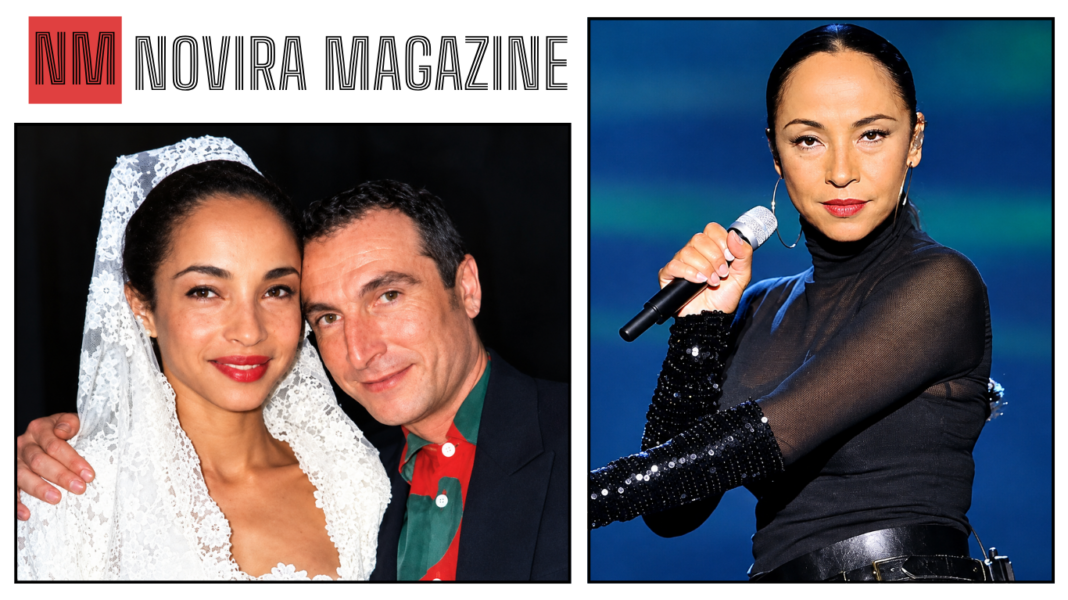
Carlos Scola Pliego is a name that instantly bridges the world of international cinema with the history of modern soul music. While film lovers recognize him as a veteran Spanish director and script supervisor who helped craft major 1980s blockbusters, music fans know him as the enigmatic ex-husband of soul icon Sade Adu. Standing at the crossroads of European filmmaking and global pop culture, his life story carries a unique blend of creative artistry, high-profile romance, and deliberate privacy. Captivating audiences both behind the camera lens and through his influence on legendary music, he remains a figure of enduring curiosity across multiple generations.
Navigating the entertainment world during the 1980s required a delicate balance of technical discipline and artistic focus, qualities that defined his career early on. Working on major international film sets across Europe, he built a solid reputation among veteran directors and production crews for his meticulous work behind the scenes. However, when his personal life intersected with one of the biggest recording artists in the world, his private world was suddenly thrust into the global spotlight. Understanding his background offers a fascinating look at how a quiet filmmaker influenced one of music’s most celebrated eras.
Quick Facts: Carlos Scola Pliego at a Glance
Summarizing the life of a film professional who intentionally steps back from media glare requires looking closely at key milestones. Before becoming a subject of public interest due to his high-profile marriage, he built a diverse portfolio across multiple cinematic disciplines. From script supervision to documentary directing, his career reflects a deep commitment to visual storytelling without seeking the spotlight for himself.
The table below outlines the core biographical details and professional achievements that define his footprint in entertainment history. These key figures and background details highlight his transitions across Spanish production sets, international feature films, and his private life following his decade-long association with pop music history.
| Parameter | Information |
|---|---|
| Full Name | Carlos Scola Pliego |
| Nationality | Spanish |
| Profession | Film Director, Assistant Director, Script Supervisor |
| Spouse | Sade Adu (m. 1989–1995) |
| Children | None |
| Notable Film Work | Never Say Never Again (1983), Eleni (1985), Ngira (1988) |
Early Life and Educational Background in Spain
Growing up in Spain during a period of massive cultural transformation, he developed an early appreciation for dramatic arts and visual media. The vibrant local storytelling traditions and growing European cinema movement provided a rich environment for an aspiring filmmaker during his formative years. Rather than aiming for acting roles on camera, he found himself drawn to the complex mechanics of how films were structured, written, and executed. His early educational years were spent studying visual communication and set mechanics, laying down the core technical foundation that would later grant him access to international production sets across Western Europe.
During his university years, he focused heavily on mastering the precise art of script continuity and direction logistics. Understanding how scene lighting, actor blocking, and dialogue flow worked together allowed him to develop a sharp eye for cinematic detail. This rigorous training in Spanish film institutions gave him the practical skills needed to step onto major feature film sets. Friends and colleagues from his early career described him as a soft-spoken, disciplined crew member who preferred working long hours behind the scenes rather than seeking public accolades or media recognition.
Carlos Scola Pliego’s Career in the Film Industry
Entering the competitive European film landscape in the late 1970s required grit, adaptability, and an absolute mastery of set protocol. He began his career taking on entry-level crew responsibilities before establishing himself as a reliable script supervisor and second assistant director. In these roles, he served as the vital operational bridge between executive directors and technical crew members. Managing continuity errors, scheduling filming takes, and ensuring shot consistency across complex outdoor locations quickly made him an invaluable asset for directors filming high-budget projects across Spain and Mediterranean Europe.
Working as an assistant director demands exceptional patience, organizational expertise, and crisis management skills under tight production deadlines. He excelled at maintaining order on busy multi-camera sets while keeping directors on schedule. His ability to navigate multi-lingual production environments made him a primary contact when Hollywood studios traveled to Spain to shoot exotic sequences. Through years of consistent effort on various film sets, he earned the deep respect of international directors who relied heavily on local Spanish production talent to bring their ambitious cinematic visions to life.
Key Filmography and Assistant Director Credits
The pinnacle of his work on commercial Hollywood feature films arrived during the early to mid-1980s, when major studios frequently chose Spain as a primary location. One of his most notable career milestones was serving as a second assistant director for the Spanish location shooting on the 1983 James Bond thriller Never Say Never Again, starring Sean Connery. Managing complex action sequences and large crowd scenes on location tested his logistical capabilities and solidified his reputation in international film circles.
Following his work on James Bond, he contributed to several other prominent international feature films, demonstrating his versatility across comedic and dramatic genres. He worked on the crew for Curse of the Pink Panther (1983) and took on assistant director responsibilities for the historical drama Eleni (1985). Years later, he continued to contribute his vast expertise to European cinema, taking on key production and crew roles for sports drama films such as Goal II: Living the Dream (2007).
Documentary Directing and Independent Projects
While big-budget feature films offered commercial visibility, his personal artistic passions lay in non-fiction storytelling and independent documentary work. Transitioning into the director’s chair during the late 1980s, he chose subjects that explored remote natural environments, wildlife conservation, and human resilience. Directing documentaries allowed him to express his personal artistic vision without the commercial constraints and studio pressures typically found on major Hollywood studio lots.
Among his most praised independent works was the 1988 documentary Ngira: Gorilas en la montaña, which focused on wildlife preservation and environmental studies. Shortly after, he released Donde termina el corazón (1989), further proving his ability to capture raw human emotion and social reality on film. These projects demonstrated his deep craftsmanship as a filmmaker, showing that his talent extended far beyond coordinating large commercial crews to capturing intimate, meaningful stories that resonated with audiences.
The High-Profile Marriage: Carlos Scola Pliego and Sade Adu
In the late 1980s, his professional world crossed paths with global stardom when he met British-Nigerian singer Helen Folasade Adu, globally known as Sade. At the time, Sade was already an international superstar whose soulful voice and timeless elegance had captivated millions worldwide. Their initial meeting occurred in Spain while working on music video production logistics. The mutual attraction was immediate, rooted in a shared appreciation for visual art, quiet elegance, and a mutual desire to protect their private lives from invasive media scrutiny.
Their romance quickly developed into a serious relationship, leading to a grand wedding on October 11, 1989. The private ceremony took place in a historic 15th-century Spanish castle in Madrid, surrounded by close family members and intimate friends. Headlines across Europe celebrated the union between the glamorous soul singer and the handsome Spanish director. Despite the immense public curiosity surrounding their wedding, both made a conscious effort to keep the details of their private celebration shielded from aggressive tabloid reporters.
Married Life in Madrid and Media Scrutiny
Following their wedding, the couple chose to make Madrid their primary home base, seeking refuge from the aggressive British tabloid press. Living in Spain allowed them to enjoy a somewhat normal life, dining at local cafes and focusing on their respective creative careers away from persistent paparazzi. However, balancing two demanding artistic professions proved challenging over time. While Sade spent long months traveling on international concert tours and recording in distant studios, he remained busy with demanding film shooting schedules across Europe.
The distance created by conflicting professional schedules, combined with the lingering pressure of global fame, gradually placed a strain on their marriage. Despite their best efforts to maintain a quiet household in Madrid, the intense public interest in Sade’s private life made privacy difficult to sustain. Over time, emotional distance grew between the couple, ultimately leading to their decision to separate in the early 1990s before officially finalizing their divorce in 1995.
How Carlos Scola Pliego Influenced Sade’s Iconic Album Love Deluxe
The emotional toll of their separation profoundly impacted Sade, who channeled her raw heartbreak directly into her songwriting. This painful emotional period served as the central inspiration behind Sade’s 1992 multi-platinum album, Love Deluxe. The album’s haunting melodies, melancholy lyrics, and themes of passionate love turned bitter were widely acknowledged by music critics as an artistic response to the unraveling of her marriage with her Spanish husband.
Iconic tracks like “No Ordinary Love” and “I Never Thought I’d See the Day” directly reflected the deep grief and longing following their split. Music critics routinely point to this recording period as Sade’s most emotionally honest work, attributing its soulful depth to the intense romantic connection and subsequent heartache she experienced with Carlos Scola Pliego. Though painful for both parties, the relationship ultimately helped yield one of the most celebrated soul albums in music history.
Life Away From the Spotlight: Where Is Carlos Scola Pliego Today?
In the aftermath of their 1995 divorce, he made a conscious decision to walk away from public scrutiny entirely. Unlike many individuals who seek to capitalize on high-profile celebrity relationships by selling stories or writing tell-all memoirs, he chose a path of total dignity and discretion. He returned to his roots in Spain, quietly resuming his work in film production and media without ever speaking publicly about his former marriage.
Today, he maintains an extremely reclusive lifestyle in Spain, completely absent from public social media platforms and entertainment news headlines. His refusal to exploit his past relationship with Sade has earned him immense respect from music historians and film colleagues alike. By stepping quietly into the background, he has preserved his privacy while leaving behind an honorable legacy as both a dedicated cinematic craftsman and a respectful partner.
FAQs
Public interest regarding the life of Carlos Scola Pliego remains strong among both music history lovers and cinema fans. Below are clear answers to the most common questions regarding his background, career milestones, and his relationship with Sade Adu.
Q1: What is Carlos Scola Pliego best known for?
He is best known for his work as a Spanish assistant director on major films like James Bond’s Never Say Never Again (1983) and for his marriage to British singer Sade Adu from 1989 to 1995.
Q2: Did Carlos Scola Pliego have children with Sade Adu?
No, the couple did not have any children together during their six-year marriage.
Q3: Which album did Sade write about her breakup with him?
Sade wrote her critically acclaimed 1992 multi-platinum album Love Deluxe during their emotional separation, with songs like “No Ordinary Love” reflecting their relationship.
Q4: Where does he live now?
He lives a quiet, private life in Spain, away from public media attention, and continues to maintain total privacy regarding his personal life.
Conclusion
In conclusion, the story of Carlos Scola Pliego is a rare example of quiet dignity within the loud world of global entertainment. From his early contributions to major European and Hollywood film sets to his role in inspiring one of the greatest soul albums of the 1990s, his footprint across film and music remains undeniable.
Rather than allowing his life to be defined solely by media gossip or celebrity associations, he chose to let his technical craftsmanship and silent respect speak for themselves. As time passes, Carlos Scola Pliego stands remembered as a talented Spanish filmmaker who gracefully navigated the quiet shadows behind the global spotlight.