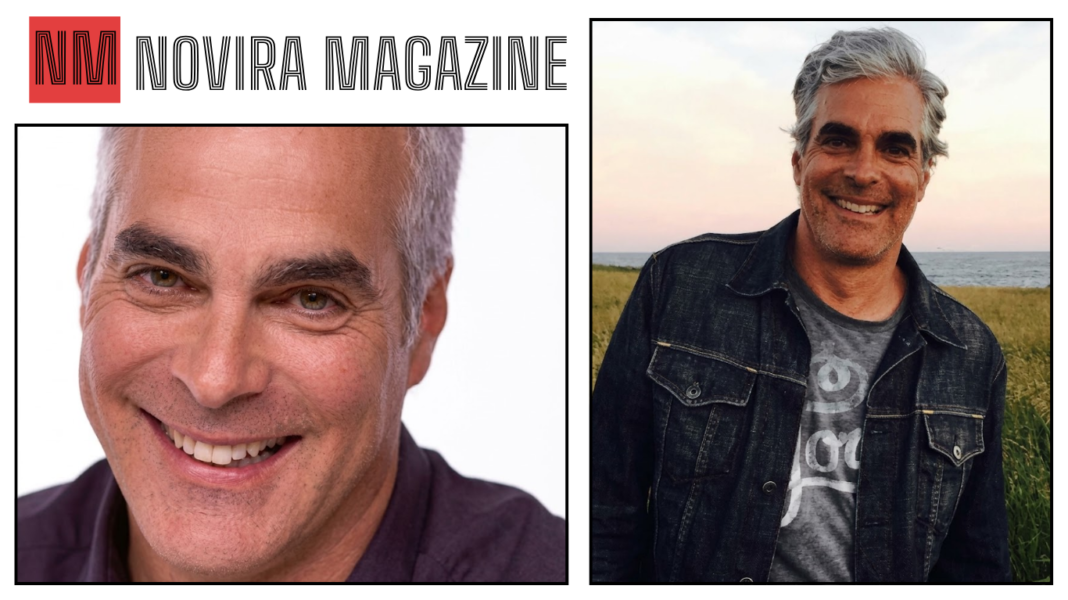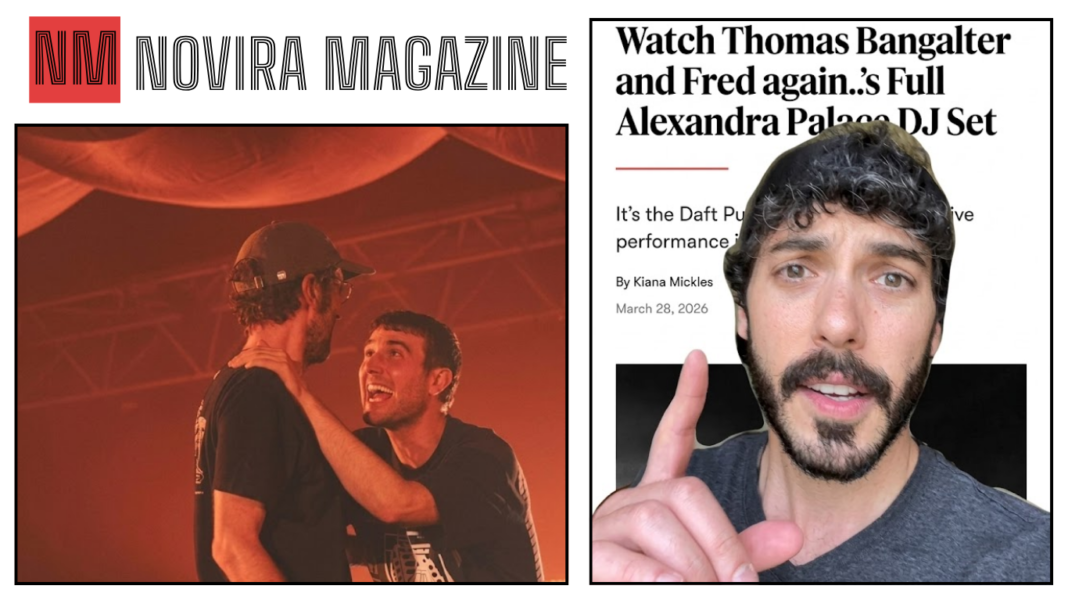
Who is thomas bankalter, and how did a quiet musician from Paris permanently change the global landscape of modern dance music and contemporary composition? Long before electronic dance music became a multi-billion-dollar global industry filling massive stadiums, thomas bankalter was experimenting with basic synthesizers, sample cuts, and raw drum machines in a improvised home studio. As one-half of the legendary electronic duo Daft Punk alongside Guy-Manuel de Homem-Christo, he helped construct the foundation of modern house music while remaining wrapped in an aura of deliberate mystery. His tireless drive to push creative boundaries transformed him from a French underground producer into a iconic multi-Grammy-winning pioneer whose artistic vision continues to shape global pop culture.
Understanding the magnitude of his influence requires exploring the delicate balance between his worldwide fame and his strict personal privacy. Over a career spanning more than three decades, thomas bankalter has consistently reinvented his creative identity, moving effortlessly from raw underground techno to lavish cinematic scores and sweeping orchestral symphonies. He proved that an artist could dominate global charts, sell millions of records, and define visual trends without ever surrendering control of their personal life or artistic independence. In an era obsessed with instant online celebrity and constant self-promotion, his career stands as an enduring blueprint for creative freedom, technological innovation, and artistic integrity across multiple musical generations.
Early Life and Musical Beginnings of Thomas Bankalter
The artistic origin story of thomas bankalter begins in Paris, where he was raised in an environment saturated with artistic expression and musical production. Born into a creative family—his father, Daniel Vangarde, was a successful songwriter and producer for popular disco acts in the 1970s—he gained rare, early exposure to the inner mechanics of recording studios, arrangement techniques, and analog equipment. Growing up around mixing consoles and vintage keyboards gave young thomas bankalter an intuitive understanding of sound design that few self-taught producers ever manage to achieve. Instead of pushing him into rigid traditional classicism, his upbringing encouraged open-ended sonic experimentation, curiosity, and a deep appreciation for rhythm.
During his formative teenage years in the late 1980s, the future superstar immersed himself in the eclectic sounds sweeping through European radio stations and underground rock clubs. He spent countless hours dissecting the production structures of classic rock, funk, disco, and early synth-pop, paying careful attention to how simple grooves could elicit intense emotional reactions from listeners. This obsession with texture and rhythm laid the foundation for his future creative projects, teaching him that powerful songs rely on memorable motifs rather than overly complicated arrangements. When he eventually picked up the guitar and bass during secondary school, he brought a producer’s analytical mindset to every chord progression and rhythm pattern he explored.
Formative Years and the Birth of Daft Punk
In 1987, while attending the Lycée Carnot in Paris, thomas bankalter met Guy-Manuel de Homem-Christo, a fellow student who shared his passionate obsession with music, cinema, and underground culture. The two fast friends bonded instantly over shared artistic tastes, spending hours discussing everything from classic rock records to avant-garde film directors. Together with songwriter Laurent Brancowitz, they formed an indie rock trio named Darlin’ in 1992, drawing heavy inspiration from American rock groups like The Beach Boys and The Velvet Underground. Although the group was short-lived and released only a handful of tracks on a small independent compilation, a critical review in the UK music paper Melody Maker famously dismissed their sound as “a daft punky thrash.”
Rather than feeling discouraged by the harsh review, the young musicians found the humorous critique deeply inspiring, officially adopting the phrase “Daft Punk” as the name for their new project. After Brancowitz left to eventually join the pop band Phoenix, the remaining duo fully embraced the burgeoning underground rave scene that was taking over Paris and London in the early 1990s. Leaving their guitars behind, thomas bankalter and his partner invested heavily in cheap drum machines, samplers, and analog synthesizers, shifting their focus toward hypnotic electronic rhythms. This radical shift in creative direction marked the birth of a brand-new musical movement, forever altering the trajectory of international electronic music.
Revolutionizing Dance Music: The Homework Era
The arrival of Daft Punk’s debut studio album, Homework, in 1997 signaled a massive seismic shift in the global dance music landscape. Recorded entirely in the modest bedroom studio of thomas bankalter using accessible home recording equipment, the album proved that compelling, chart-topping music did not require expensive commercial recording facilities. Tracks like “Da Funk” and “Around the World” captivated international audiences with their infectious basslines, clever sampling techniques, and raw, distorted drums. The release established what music critics quickly dubbed the “French Touch”—a stylish, filter-heavy subgenre of house music characterized by disco-infused grooves and irresistible, repetitive energy.
The overwhelming success of the album catapulted the young Parisian duo onto the global stage, earning them widespread critical acclaim and heavy rotation on radio stations worldwide. Despite the sudden influx of lucrative major-label offers, thomas bankalter and his partner maintained complete artistic control over their intellectual property, setting a revolutionary business precedent for independent electronic musicians everywhere. Their uncompromising approach to creative freedom allowed them to craft unique visual aesthetics, direct their own cinematic music videos, and set a new standard for how electronic music could be packaged and presented to mainstream culture without losing its underground credibility.
Global Superstardom: Discovery and the Robot Personas
When Daft Punk released their highly anticipated second album, Discovery, in 2001, they surprised the music world by pivoting away from raw house music toward a nostalgic fusion of 1970s disco, 1980s synth-pop, and arena rock. To match this dramatic musical evolution, thomas bankalter and De Homem-Christo unveiled their iconic robot personas, complete with custom-built metallic helmets, LED lights, and sleek leather jackets. This strategic visual transformation allowed the duo to step away from personal celebrity, letting their artificial alter-egos become the public faces of the brand while preserving their real-life anonymity off stage.
The album produced timeless international anthems like “One More Time,” “Digital Love,” and “Harder, Better, Faster, Stronger,” which dominated international charts and introduced an entire generation to electronic music. Beyond the audio recordings, the duo collaborated with legendary Japanese anime director Leiji Matsumoto to create Interstella 5555: The 5tory of the 5ecret 5tar 5ystem, a feature-length animated film set entirely to the tracklist of the album. This ambitious cross-media project highlighted the remarkable conceptual vision of thomas bankalter, proving that his artistic ambitions extended far beyond standard club tracks and radio singles.
Live Performances and Alive 2007
While their studio recordings revolutionized electronic music, the live performances directed by thomas bankalter redefined the modern concert experience forever. In 2006, Daft Punk headlined the Coachella Music Festival, debuting a custom-built, multi-story LED pyramid stage that shocked festivalgoers and industry insiders alike. The unexpected visual spectacle combined with a masterfully executed, real-time mashup of their entire catalog, establishing a legendary performance that set the modern benchmark for stadium-level electronic dance music production.
The subsequent world tour yielded the live album Alive 2007, which earned widespread critical acclaim and won two Grammy Awards. Rather than simply playback pre-recorded tracks, thomas bankalter manipulated custom hardware synthesisers, samplers, and visual effects units live on stage, creating an immersive sensory experience that felt alive, unpredictable, and powerful. The massive success of this tour effectively launched the modern American EDM festival boom, directly inspiring a new generation of stadium-filling producers, DJs, and stage designers to rethink what a live electronic music show could achieve.
Peak Achievement: Random Access Memories
In 2013, after years of silence and intense speculation, Daft Punk released their fourth and final studio album, Random Access Memories. Departing entirely from modern digital production software and computer plugin synthesizers, thomas bankalter championed a return to vintage analog recording techniques, hiring elite studio session musicians to record live instrumentation inside world-class studios. The album served as a lavish, loving tribute to late-1970s and early-1980s American pop music, disco, and West Coast soft rock, featuring high-profile collaborations with legendary figures like Nile Rodgers, Giorgio Moroder, and Pharrell Williams.
The lead single, “Get Lucky,” became an unprecedented global phenomenon, topping charts in dozens of countries and becoming one of the best-selling digital singles of all time. At the 56th Annual Grammy Awards, the album achieved a clean sweep, winning Album of the Year, Record of the Year, and Best Dance/Electronica Album. This massive artistic victory represented the commercial and critical peak for thomas bankalter, demonstrating that an uncompromising dedication to acoustic craftsmanship, analog recording quality, and authentic musicianship could still dominate modern pop culture in a digital streaming era.
Side Projects, Roulé Label, and Collaborations
Beyond his legendary work with Daft Punk, thomas bankalter maintained an influential solo career through his underground record label, Roulé, which he founded in 1995. The boutique label served as a creative outlet for his rawest, most experimental house tracks, including classic club weapons like “Trax On Da Rocks” and the hypnotic masterpiece “Music Sounds Better with You” as part of the short-lived supergroup Stardust. The latter track went on to sell millions of copies globally, cementing itself as one of the most celebrated house tracks in dance music history.
His extensive production talents extended into high-profile collaborations across multiple musical genres. He formed the duo Together alongside DJ Falcon, producing influential tracks that heavily impacted the underground house scene. Additionally, thomas bankalter lent his executive production and sound design expertise to external pop superstars, co-producing key tracks on Kanye West’s critically acclaimed 2013 album Yeezus, including “Loudness,” “Black Skinhead,” and “Send It Up.” These diverse side projects highlighted his incredible versatility as a studio engineer, producer, and sonic visionary outside the confines of his primary group.
Film Scoring and Cinematic Soundtracks
The deep passion that thomas bankalter held for cinema naturally led him into the world of film scoring and cinematic sound design. In 2002, he provided an uncomfortable, atmospheric, and highly experimental score for French director Gaspar Noé’s controversial psychological thriller Irréversible. Using low-frequency infrasound, disorienting synth drones, and rhythmic pulses, his unsettling audio design actively manipulated the audience’s emotional and physical reactions, proving his mastery over psychological audio techniques.
He later composed the score for Noé’s 2018 film Climax and joined forces with De Homem-Christo to create the score for Disney’s 2010 blockbuster Tron: Legacy. The Tron soundtrack skillfully blended an 85-piece orchestral ensemble with soaring synth textures, producing an epic sonic landscape that received widespread critical praise. These cinematic endeavors allowed thomas bankalter to explore darker, more complex, and non-traditional musical structures, preparing him for the next major chapter of his post-pop career.
The End of an Era: Daft Punk’s Disbandment in 2021
On February 22, 2021, the global music community was stunned when Daft Punk released an 8-minute video titled “Epilogue,” excerpted from their 2006 avant-garde art film Electroma. The emotional video depicted one of the robot figures self-destructing in a desert landscape, followed by a simple title card reading “1993–2021,” officially confirming the end of their celebrated 28-year partnership. The sudden announcement sparked an overwhelming outpouring of tributes from fellow musicians, fans, and media outlets worldwide, honoring their immense contributions to music history.
For thomas bankalter, the decision to disband the iconic group was not born out of interpersonal conflict, but rather a shared realization that their artistic journey as a robot duo had reached its natural conclusion. Having achieved every conceivable milestone in pop and dance music, the musicians chose to retire their legendary helmets on a high note rather than repeat past successes. This dignified farewell marked the conclusion of one of the most successful and influential creative runs in modern music history.
Solo Chapter: Transitioning to Classical and Orchestral Music
Following the public disbandment of Daft Punk, thomas bankalter wasted no time reinventing his artistic identity, stepping fully unmasked into the world of classical and acoustic composition. In 2023, he unveiled Mythologies, a massive 90-minute orchestral score written for a ballet choreographed by Angelin Preljocaj and performed by the Orchestre National Bordeaux Aquitaine. The ambitious project represented a total departure from electronic synthesizers, focusing entirely on traditional acoustic instruments, complex symphonic arrangements, and classical composition techniques.
Mythologies proved to be a critical success, showcasing the mature composition capabilities of a musician who had successfully transcended his dance music roots. Subsequent post-Daft Punk works, including the ambient soundscapes for the installation Chiroptera and the performance project Mirage, further solidified his position as an avant-garde composer. By stepping away from electronic instruments and pop formats, thomas bankalter demonstrated an extraordinary ability to continuously evolve, capturing the respect of classical music critics and dedicated electronic fans alike.
Net Worth, Personal Life, and Private Legacy
Despite decades spent at the very top of the international music industry, thomas bankalter has managed to keep his private personal life almost entirely hidden from public view. He resides primarily in Paris with his longtime partner, French actress Élodie Bouchez, with whom he has two sons. By deliberately removing his human face from promotional materials throughout his career, he successfully avoided the toxic traps of modern celebrity culture, maintaining a peaceful, ordinary family life away from paparazzi and public scrutiny.
Through smart intellectual property management, lucrative international tours, and vast publishing catalogs, he has built a substantial personal fortune, with an estimated net worth comfortably exceeding tens of millions of dollars. However, his true legacy lies not in his financial achievements, but in his uncompromising artistic philosophy. By prioritizing long-term creative vision over short-term commercial gains, thomas bankalter proved that true legends are defined by the quality of their work rather than the relentless pursuit of personal fame.
Conclusion
In conclusion, the legendary career of thomas bankalter stands as a testament to the power of continuous artistic evolution, relentless innovation, and uncompromising creative independence. From his humble beginnings crafting raw house music in a Parisian bedroom to conducting sweeping classical orchestras in grand concert halls, he has repeatedly redefined what it means to be a modern music creator. His pioneering contributions to the French Touch movement, stadium light shows, cinematic scores, and pop production have left an indelible mark on global culture that will continue to resonate for generations to come.
As musical trends continue to shift in an increasingly digital world, the timeless discography and artistic philosophy of thomas bankalter remain a shining beacon for aspiring artists across the globe. He taught the world that true art requires courage, patience, and a willingness to step into the unknown. Whether behind a polished chrome robot helmet or standing unmasked at a classical conductor’s podium, his extraordinary creative journey reminds us all that true legends do not follow existing trends—they invent entirely new worlds of sound.
FAQs
Who is Thomas Bankalter?
Thomas bankalter is a renowned French musician, composer, DJ, and record producer best known as one-half of the legendary electronic music duo Daft Punk alongside Guy-Manuel de Homem-Christo.
What is Thomas Bankalter doing now after Daft Punk?
Following the disbandment of Daft Punk in 2021, thomas bankalter transitioned into classical and orchestral composition, releasing the ballet score Mythologies in 2023 along with various acoustic and experimental art projects.
Did Thomas Bankalter produce songs for other famous artists?
Yes, thomas bankalter produced numerous hit tracks outside of Daft Punk, including co-producing key tracks on Kanye West’s Yeezus album and creating the house classic “Music Sounds Better with You” as part of the group Stardust.
Why did Thomas Bankalter wear a robot mask?
The robot helmets were created to protect the personal privacy of thomas bankalter and his bandmate, allowing them to lead normal lives off stage while shifting the public focus entirely onto their music and visual art.