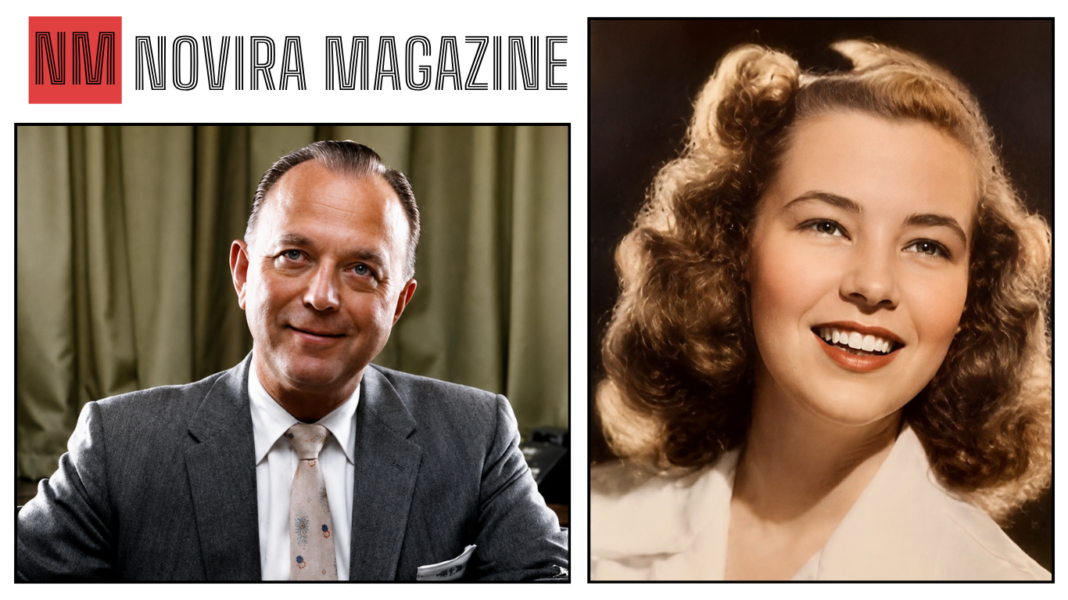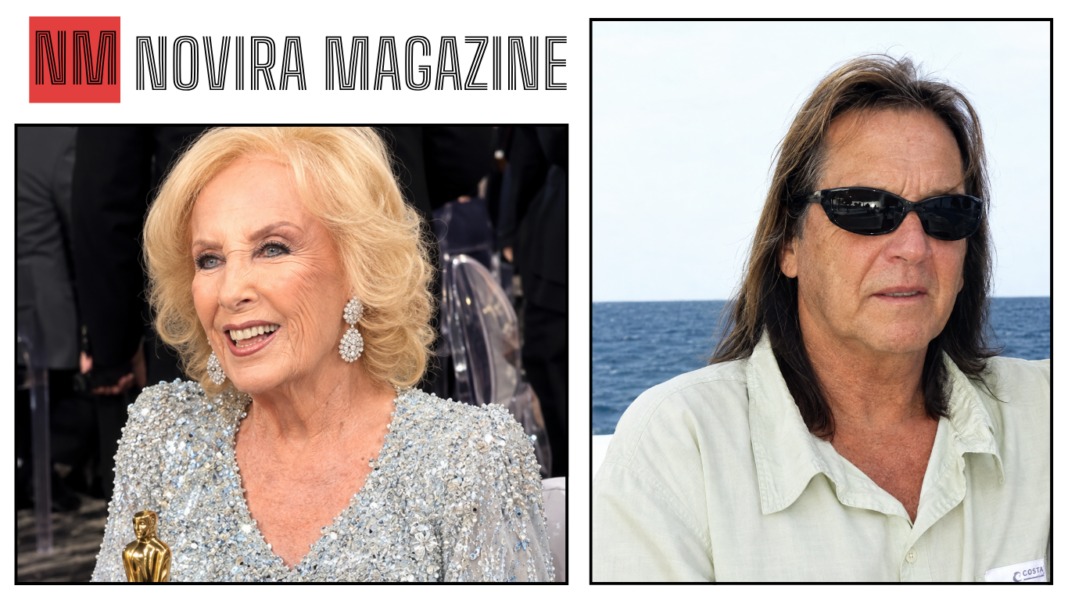
Mirtha Jung remains one of the most enigmatic figures associated with the high-stakes American drug trade of the late twentieth century. While mainstream audiences primarily recognize her name from pop culture references and cinematic adaptations, her actual life journey stretches far beyond brief Hollywood depictions. She stepped into the spotlight during an era defined by massive international smuggling rings, astronomical wealth, and incredible risk. Behind the glamorous facade portrayed on screen lies a complex human story marked by turbulent romance, profound personal loss, and ultimate survival.
Understanding the true story requires looking past the dramatized narratives that often dominate public perception. Many people remember the fiery character portrayed in theaters, but the real woman experienced severe personal hardship during the peak of the cocaine boom. She navigated the perilous intersection of law enforcement crackdowns, cartel dynamics, and destructive personal habits. Exploring her life reveals how an ordinary individual became entangled in an extraordinary historical movement, only to make the difficult choice to walk away and rebuild everything from scratch.
Early Life and Cuban Origins
Born as Mirtha Calderón in Cuba, she spent her formative years in a country undergoing massive social and political shifts. Growing up in the Caribbean during the mid-twentieth century shaped her early worldview, instilling a resilient spirit that would later prove necessary for her survival. Details about her childhood remain relatively sparse, as she has intentionally protected her family privacy over the decades. However, acquaintances from her youth described her as charismatic, headstrong, and drawn to adventure from an early age.
As a young woman, she eventually made her way into South American social circles during the early 1970s. This period coincided with the rapid expansion of illegal trade networks connecting Colombia, North America, and the Caribbean islands. Her path crossed with various influential figures operating within these underground circles, gradually pulling her closer to the center of international drug operations. These early experiences laid the groundwork for her eventual connection with American smugglers searching for direct lines into South American supply routes.
Meeting George Jung: A High-Stakes Romance
The pivotal moment in her life occurred when she met George Jung in Colombia during the mid-1970s. At the time, George was an ambitious American smuggler expanding his distribution network by forging direct contacts with major Colombian suppliers, including associates of Carlos Lehder and the emerging Medellín Cartel. The connection between the two was instant and intense, fueled by mutual ambition, youth, and the high-adrenaline atmosphere defining the smuggling culture of that era.
Their romance developed rapidly against the backdrop of dangerous illicit transactions and luxury travel across South America and the United States. For George, she represented a direct connection to crucial regional networks, while George offered her a passport to an opulent, fast-paced American lifestyle. Friends and observers noted that their early relationship was passionate yet fraught with volatility, as the immense pressures of operating outside the law constantly tested their bond.
Marriage to George Jung and the Medellín Cartel Era
In 1977, the couple solidified their relationship by getting married at the absolute height of the international cocaine boom. Their union coincided with a period when billions of dollars were flowing into major American hubs like Miami and Los Angeles. As the wife of one of the primary American distributors for the Medellín Cartel, she found herself surrounded by extraordinary wealth, luxury real estate, high-end vehicles, and continuous partying that defined the late 1970s drug culture.
However, living at the epicenter of international smuggling operations carried enormous inherent danger. The couple lived in a perpetual state of high anxiety, constantly aware that federal law enforcement agencies were monitoring suspicious financial flows and international flight patterns. Despite the lavish lifestyle, their daily existence was dictated by secrecy, burner phones, hidden cash vaults, and the ever-present threat of violence from rival factions or betrayal from business associates.
Motherhood: The Birth of Kristina Sunshine Jung
Everything shifted dramatically in 1978 with the birth of their daughter, Kristina Sunshine Jung. Becoming a mother brought a profound emotional shift, forcing her to confront the reality of raising a child in an inherently unstable and illegal environment. She deeply loved her newborn daughter and expressed a strong desire to provide a safe, normal childhood despite the chaotic circumstances surrounding their household.
Unfortunately, maintaining a stable home proved nearly impossible as the pressure on their distribution network mounted. The constant influx of cash and drug abundance accelerated severe substance abuse issues within the home. Despite her maternal instincts, the overwhelming pull of addiction made it increasingly difficult to maintain a safe environment, creating a tragic conflict between her deep love for her daughter and her chaotic lifestyle.
Addiction, Law Enforcement, and Arrest
As the 1970s turned into the 1980s, her personal life began spiraling out of control due to worsening cocaine addiction. The drug, which had initially been a social accessory to their lavish lifestyle, quickly became a destructive force affecting her health, decision-making, and emotional stability. Her relationship with George deteriorated rapidly into frequent arguments, paranoia, and periods of severe domestic instability.
At the same time, United States federal law enforcement agencies intensified their crackdown on the Medellín Cartel’s American operations. The legal dragnet eventually caught up with her, leading to her arrest on drug possession and conspiracy charges in the early 1980s. Facing serious felony charges, she was convicted and sentenced to prison, marking the lowest point in her life and forcing an unavoidable reckoning with her past choices.
The Turning Point: Divorce from George Jung
Her period of incarceration served as a crucial turning point that permanently altered her trajectory. Separated from her daughter and stripped of her former wealth, she made a firm commitment to achieve sobriety while serving her prison sentence. Recognizing that her marriage was inextricably linked to crime and addiction, she took decisive steps to end her relationship with George, culminating in their official divorce in 1984.
While George remained deeply entrenched in the smuggling trade—eventually receiving a lengthy federal prison sentence that kept him incarcerated for decades—she chose an entirely different path. She recognized that remaining connected to her ex-husband would inevitably lead back to prison or early death. Choosing recovery over loyalty to the trade, she permanently severed her ties with the underground economy upon completing her sentence.
Life After Prison: Walking Away from the Drug Trade
After her release from prison in the early 1980s, she successfully transitioned back into civilian life, a feat achieved by very few prominent figures from the cartel era. She deliberately stepped away from the fast money and high-profile social circles that had once defined her existence. Instead, she chose humble employment, focusing her energy on maintaining her sobriety and securing a stable living environment.
Her complete withdrawal from illegal activities proved genuine and permanent over the following decades. Unlike many of her former associates who repeatedly cycled through the criminal justice system, Mirtha Jung never faced subsequent drug-related arrests or convictions. Her ability to walk away completely stands as a rare story of genuine rehabilitation following involvement with high-level cartel operations.
Hollywood Portrayal: Penélope Cruz in Blow
The public’s interest in her life surged dramatically in 2001 with the theatrical release of the biographical film Blow, directed by Ted Demme. Academy Award-winning actress Penélope Cruz portrayed her opposite Johnny Depp, who played George. The film depicted her as a glamorous, passionate, yet volatile force who embraced the extravagant lifestyle before falling victim to addiction and marital collapse.
While Cruz’s performance received widespread critical praise for its dramatic intensity, the cinematic depiction took significant creative liberties with historical reality. The movie condensed complex timeline events and exaggerated personality traits for dramatic effect. In real life, her transition toward recovery and her efforts to protect her daughter were far more nuanced and grounded than the sensationalized arguments portrayed on the silver screen.
The Mother-Daughter Relationship: Mirtha and Kristina Today
The bond between mother and daughter faced extraordinary challenges due to the chaos of the late 1970s and 1980s. Growing up under the long shadow of her parents’ notoriety was difficult for Kristina Sunshine Jung. Rebuilding trust required years of patience, consistent sobriety, and steady emotional support following her release from custody.
Over the years, the two managed to foster a quiet, supportive relationship away from public cameras. While Kristina occasionally engaged with public projects related to her father’s legacy, her mother chose to remain entirely in the background. Their enduring bond stands as a testament to her determination to prioritize her family responsibilities over media attention.
George Jung’s Death and Its Impact
When George Jung was released from federal prison in 2014 after serving nearly two decades, media attention briefly resurfaced around his former inner circle. George gave numerous interviews discussing his past mistakes, his lost fortune, and his desire to reconcile with his family. Throughout this period of renewed publicity, his ex-wife chose not to grant interview requests or participate in media tell-alls.
George’s death in May 2021 marked the final chapter of a tumultuous era in American crime history. His passing prompted retrospectives on the early days of the cocaine trade, bringing her name back into news headlines. Once again, she maintained a dignified silence, choosing to grieve privately and avoid commercializing her past relationship with the late smuggler.
Where Is Mirtha Jung Now?
Today, she leads a quiet, intentionally private life away from public scrutiny and social media platforms. She has consistently declined lucrative opportunities to write tell-all memoirs, participate in television documentaries, or capitalize on her Hollywood connection. This intentional obscurity reflects her commitment to protecting the peaceful, sober life she built following her release from prison decades ago.
Those familiar with her current life describe her as a devoted mother and grandmother who finds satisfaction in simple, everyday routines. Having survived one of the most violent and chaotic eras in modern American history, she views her privacy as a hard-won victory. Her current life stands in stark contrast to the wild, high-stakes existence she briefly led during the 1970s.
Summary of Her Life Journey
Her life represents a compelling story of survival, personal growth, and redemption against incredible odds. After being drawn into the lucrative yet destructive world of international drug trafficking as a young woman, she experienced both extreme luxury and severe personal rock bottoms. Ultimately, her story is defined not by her early mistakes, but by her decisive choice to reform her life, overcome addiction, and prioritize her daughter’s well-being over fame and fortune.
| Key Life Phase | Primary Focus / Events | Long-Term Outcome |
| 1970s (Cartel Era) | Marriage to George Jung, drug trade involvement | High-risk lifestyle, severe substance abuse |
| 1980s (Turning Point) | Arrest, imprisonment, divorce in 1984 | Achieved long-term sobriety, exited crime |
| 2000s–Present | Post-Blow movie era, private family life | Maintained total privacy, focus on recovery |
FAQs
Did Mirtha Jung ever go back to prison after the 1980s?
No, she never returned to prison after completing her sentence in the early 1980s. She completely cut ties with illegal drug trade networks and maintained a clean legal record for the remainder of her life.
Is the movie Blow completely accurate about her life?
While Blow accurately captures the general timeline of her marriage to George Jung, many individual scenes were heavily dramatized for cinematic storytelling. The film exaggerated her volatility and condensed complex personal dynamics into brief dramatic sequences.
Where is Mirtha Jung living today?
She lives a private life in the United States, deliberately keeping her location and personal details out of the media spotlight to protect her family’s privacy and maintain her peaceful routine.